Planning your trip
Even if traveling gluten-free is possible (and encouraged!), do not neglect the planning. If you usually book holidays at the last minute, or do not plan at all, eating well gluten-free will probably be harder. I am a very organized person, I like to be in control, and I must admit it lets me enjoy my holidays to the fullest in the moment, without worrying about gluten.
Choosing the destination
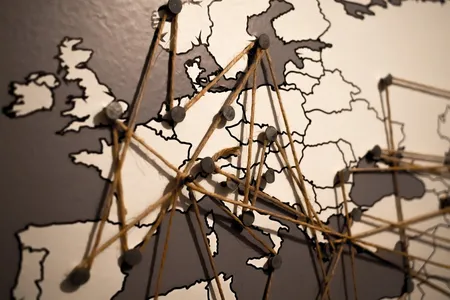
You can travel anywhere gluten-free, but some destinations are easier than others. If you are new to the diet, or just want an easy trip, I recommend choosing an "easy" destination in that respect.
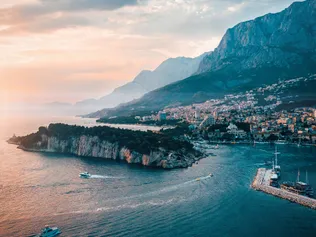
Southern European countries (Italy and Spain in particular) have a huge choice of gluten-free options in supermarkets and restaurants. You will find gluten-free food in every supermarket, and many restaurants offer gluten-free alternatives (see my guide to gluten-free Italy). The Mediterranean diet also includes lots of fruit, vegetables and fish, which are gluten-free. Croatian food, for instance, is very celiac-friendly, as I explain in my gluten-free Croatia guide.
English-speaking countries (the United States, Canada, the United Kingdom...) are much more open to different diets: vegetarian, vegan, and gluten-free too. They are not famous for their food, but in big trendy cities you will find lots of gluten-free places. See for instance my gluten-free London guide. Having visited New York and Los Angeles and lived in Montreal for a few months, I can tell you they are far ahead of France in recognizing the gluten-free diet.
Choosing a destination where you can communicate easily makes conversations in restaurants much simpler. In very touristy places, staff often speak good English. And today, with translation apps, you can always manage.
Choosing the type of trip
Again, you can do anything while eating gluten-free. But the more you are in charge of the schedule, the easier it is to eat well. I prefer to organize my own holidays, so I know food will not be a problem. I choose rentals where I can cook rather than hotels or B&Bs. Camping works very well too if you want to cook: with a small camping stove, you can manage very well. Even for work trips, I negotiated with my employer to book my own accommodation, to avoid hotels. And it is often cheaper!
If you plan a road trip, I recommend having your own vehicle. You can stock up on gluten-free food in a big town and always have something to make a meal with. I have done many trips like this (Croatia, Greece, Italy, the United States and of course France) and found it much more relaxing. In the Dolomites, I even tried a camper van.

Doing your research
Before going anywhere, I always read up on the local cuisine: what the typical dishes are, which are gluten-free, whether the gluten-free diet is well known there. It tells me what to expect, and helps me find restaurants serving local gluten-free dishes. Food is an important part of a country's culture, and I do not intend to miss out!
I always look for supermarkets or organic shops where I can hope to find gluten-free food. I also check how celiac disease is handled in the country, to know whether gluten-free products are common. In Croatia, for instance, there are almost none, because flour is reimbursed rather than ready-made products. Croatian celiacs are encouraged to bake their own bread and cakes, which mechanically reduces what supermarkets sell.
To find gluten-free places, I mainly use Google Maps and Google search. There are many gluten-free travel blogs. But always check that the places are still open, as many of those listed online have closed. Searching for gluten-free restaurants on Google Maps does not always work well, but you can search the reviews for the word "gluten", which helps rule out "fake" gluten-free places.
Packing your suitcase
Last step: a celiac's suitcase is always a bit fuller than everyone else's. I always bring some bread, and something for breakfast, like muesli or breakfast cookies. A good trick for sandwiches: bring soft corn tortillas. They are vacuum-packed, keep without a fridge, and take very little space.
If you plan to cook, bring a small folding colander to avoid cross-contamination. I often pack a food container too, to prepare salads for day trips. Metal cutlery and cooking utensils are less easily contaminated, so you do not need to bring your own: use those you find there.

During the trip
If you planned well, this part should be easier. Holidays are also for relaxing!
Planning your days
I recommend having a plan for the next day, with specific places to eat. Many people like to decide on a restaurant on the spot. It is relaxing, but it can leave you with a plain green salad without dressing for lunch.
When I arrive somewhere new, I look up gluten-free places and save them on Google Maps. That way, I can easily find the nearest one while sightseeing. If you travel with friends or family who eat gluten, be clear about your need to plan meals. And if you really cannot plan, always carry gluten-free bread, it will get you out of many difficult situations.
For day trips, do not forget to pack a picnic. If you are tired of sandwiches in bland bread, see my gluten-free picnic ideas (in French).

Finding gluten-free food in shops
I do not like traveling with heavy luggage (I never check a bag on flights within Europe, for instance). So I regularly need to stock up on gluten-free food. It is also a chance to discover local products. I use Google Maps a lot to find good places. In most European supermarkets, you will find rice or corn cakes, and very often gluten-free bread or pasta.
Sometimes there are good surprises, like at Lake Maggiore in Italy, where I found an entirely gluten-free shop 20 minutes' drive away. I filled the trunk of my car with gluten-free pasta, what a find! (Here is my Lake Maggiore guide.)
If supermarkets do not have what you need, organic shops are a good alternative. In countries where supermarkets are less well stocked than in Europe (like the United States, where finding healthy food can be a struggle), organic or upmarket shops are often good bets. It can be expensive, but it is for an essential need.
Finding gluten-free restaurants
I use travel blogs a lot for restaurants, then check them on Google Maps with the most recent reviews, to make sure the menu is still suitable. If you have looked up the typical gluten-free dishes, you should manage in tourist restaurants.
Otherwise, I recommend slightly more upmarket restaurants, where staff understand what "gluten-free" means. Again, health comes at a price, unfortunately...
After the trip
The trip being over does not mean you cannot keep enjoying it.
I love bringing gluten-free food home from the places I visit (from Italy, for instance). It is a way to extend the trip, and to cook dishes from the place you visited. It is also a chance to cook new things. I know gluten-free cooking is hard and can feel limited. Bringing back good recipes from elsewhere is a great way to vary your diet.
My guides by destination
For gluten-free places, here are my guides:
- In France: Paris, Lyon, Toulouse, and traveling in France gluten-free
- In Italy: gluten-free Italy, the Dolomites and Lake Maggiore
- In Spain: Seville
- Elsewhere in Europe: London, Prague, Budapest, Croatia and Greece

For more about gluten-free life, follow us on Instagram.