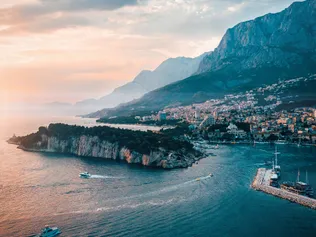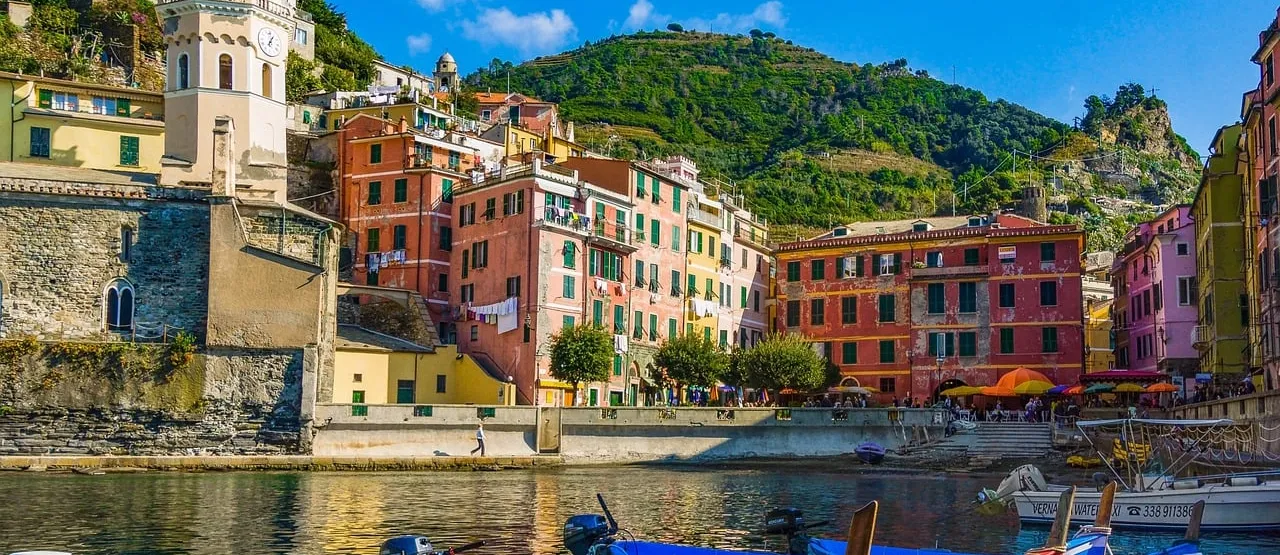
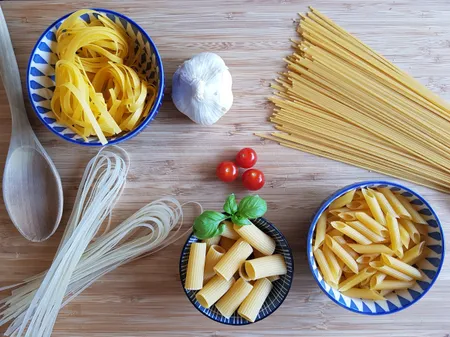
Pasta, pizza, gelato cones... At first sight, Italy is the land of gluten. And yet it is one of the easiest countries in Europe to eat gluten-free, in restaurants as well as in supermarkets. Celiac disease is well known there, the Italian celiac association is very active, and almost everyone knows what senza glutine (gluten-free) means.
I am a French celiac, and I have traveled in northern Italy twice. This guide gathers my general advice, then points you to my detailed guides by city and region.
Eating out in Italy
Allergens are on the menu
As everywhere in the European Union, restaurants must tell you which of the 14 main allergens, gluten included, are in their dishes. In Italy I found this much better applied than in France: allergens are often printed right on the menu, with numbers or icons, and gluten-free dishes sometimes carry a small crossed-out wheat symbol. If they are not, ask for the allergen list (la lista degli allergeni). You will almost always get it.
The Italian Celiac Association (AIC)
The AIC (Associazione Italiana Celiachia) trains restaurants, pizzerias, gelato shops and hotels to serve gluten-free food safely. Trained venues are part of its Alimentazione Fuori Casa ("eating out") program, and there are more than 4,000 of them across the country. They often display the AIC logo on the door or the menu.
The list is in the AIC Mobile app. Full access is for members of the association, but non-members can pay for a short access period, which works well for a holiday. An AIC venue is generally safer than a restaurant that simply offers gluten-free pasta, because the staff have been trained about cross-contamination.
Pizza, pasta and gelato
Gluten-free pasta is offered in a huge number of restaurants, often for a small extra charge. In AIC venues it is cooked separately. Elsewhere, ask.
Gluten-free pizza is trickier, because flour flies everywhere in a pizzeria. Safe pizzerias have a dedicated counter and oven, or make gluten-free pizzas at a time when they are not making regular ones. Some will serve you a packaged base baked in the same oven on a tray: not ideal for a celiac.
Gelato is often gluten-free, but the cones are not, and neither are some flavors (biscuit, cookies, tiramisu...). A few gelato chains are entirely gluten-free, cones included, like Grom, or Fatamorgana in Rome. Otherwise, ask for a cup (coppetta) and a clean scoop.
Breakfast and coffee
Italians have breakfast standing at the bar, with a cappuccino and a cornetto (a pastry that looks like a croissant). Some bars sell individually wrapped gluten-free cornetti, which is the only safe option. Cappuccino and espresso are gluten-free.
In restaurants, bread usually comes with the coperto, a cover charge of 1 to 3 euros per person. It is not a scam, it is normal. Gluten-free bread, when they have it, usually comes wrapped.
Italian dishes: what to order
Many Italian dishes are naturally gluten-free. Here is what I look for on a menu, and what I avoid:
- Risotto ✅ (rice is gluten-free, check the stock)
- Polenta ✅ (cornmeal)
- Carpaccio, bresaola and prosciutto (cured ham) ✅
- Caprese (tomato, mozzarella, basil) ✅
- Saltimbocca and scaloppine 🚫 usually dusted with flour
- Arancini and supplì (fried rice balls) 🚫 breaded
- Gnocchi 🚫 often made with wheat flour, unless marked gluten-free
- Tiramisu 🚫 ladyfingers, unless gluten-free
- Panna cotta ✅ most of the time
Gluten-free groceries in Italy
You will find gluten-free food in EVERY shop: bread, pasta and cookies. Even in basic supermarkets, the gluten-free pasta is delicious, often better than what I find at home in France.
Large supermarkets (Esselunga, Coop, Conad, Carrefour...) usually have a well-stocked senza glutine aisle, with gluten-free beer and frozen food: pizza, lasagna, tiramisu, even gnocchi.
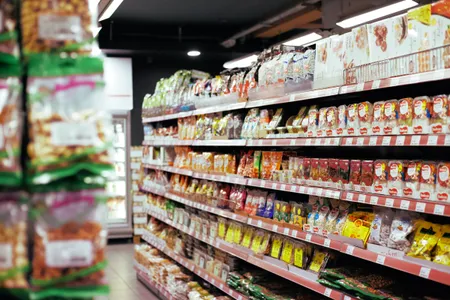
There are also many shops selling only gluten-free food, with products you have never seen anywhere else. Take your time there, it is a real treasure cave! In the Lake Maggiore area there are at least two, see my Lake Maggiore guide.
Finally, pharmacies (farmacia) sell gluten-free food too. Italian celiacs get it reimbursed, but as a tourist you will pay the full price. Still, it is a good fallback on Sundays or in small towns.
Useful Italian phrases
You can show this to the waiter:
Sono celiaco/a. Non posso mangiare glutine, nemmeno in tracce. La pasta è cotta in acqua separata?
I am celiac. I cannot eat gluten, not even traces. Is the pasta cooked in separate water?
- Sono celiaco (man) / Sono celiaca (woman): I am celiac
- Senza glutine: gluten-free
- È senza glutine?: is it gluten-free?
- C'è il rischio di contaminazione?: is there a risk of cross-contamination?
- Avete la pasta senza glutine?: do you have gluten-free pasta?
My gluten-free guides to Italy
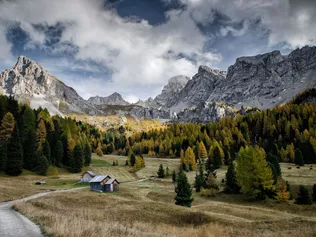
- The Dolomites: my road trip in a camper van through stunning mountains
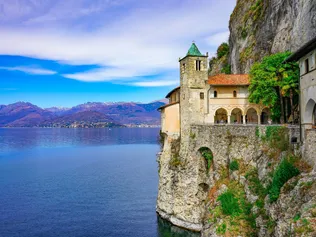
- Lake Maggiore: a beautiful region with plenty of gluten-free places
To prepare the trip itself, read my tips for traveling gluten-free. And if you have been to Italy and have advice to share, leave me a comment!
Pasta, pizza, gelato cones... Italy looks like the land of gluten. Yet it is one of the easiest countries in Europe for celiacs. Here is how restaurants, pizzerias and supermarkets work there, and my city and region guides.October 28, 2026/_astro/italy-4090933-1280.hf2kCI5n_2jGPNw.webp
For more about gluten-free life, follow us on Instagram.